

З How to Cancel Self Exclusion at Casinos
Steps to cancel self-exclusion from a casino, including contacting the operator, verifying identity, and understanding withdrawal policies. Clear guidance for those wishing to end their self-imposed gambling restrictions.
How to Cancel Self Exclusion at Casinos Step by Step
Got locked out of your favorite platform? I’ve been there. (And no, I didn’t just “forget my password” – this was a hard block, full stop.) You’re not stuck. I’ve seen it happen twice in my last 18 months of live play. Both times, the fix wasn’t in the app. It was in the call center.
First rule: don’t go through the website. The form? Useless. It’s a ghost town. I tried it. Got a “processing” notice that never moved. (Spoiler: it didn’t.)
Second rule: dial the support line. Not the chat. Not the email. The actual phone number. The one that says “24/7” but you know it’s only real between 10 AM and 6 PM local time. (I checked.)
Third rule: say “I want to lift my restriction” – not “I want to unblock myself.” The system logs the phrase. Use it. If they ask why, say “personal circumstances changed.” That’s all you need. No drama. No proof. Just the phrase.
They’ll ask for your ID. Your last deposit method. Your account number. (Write it down before you call. I lost 45 minutes once because I forgot my old card.)
Fourth rule: expect 2–4 business days. Not hours. Not “immediately.” If they promise instant, hang up. (I did. They called back 36 hours later. “We’re processing.”)
Got it back? Good. Now check your balance. I came back to a $120 balance. Not a jackpot. But it’s enough to test the new max bet on that 5-reel, 20-payline slot I’ve been avoiding. (Spoiler: it’s a 96.3% RTP, medium volatility. Worth a few spins.)
Don’t let the system win. You’re not broken. You’re just human. And netbet sometimes, the only way out is a voice on the other end of the line.
Verify Your Self-Exclusion Status and Casino Policy Details
I checked my status yesterday–logged into the platform, went straight to Account Settings, then “Responsible Gaming.” No fluff. Just a clean list: “Active Restriction – 6 months remaining.” I didn’t expect it to be that simple. But here’s the catch: not every operator shows this in real time. Some delay updates by 48 hours. (I learned that the hard way after trying to re-enable deposits on a Friday. Got a “system error” message. Then Sunday, it updated. Took me two days to figure out the lag.)
Check the fine print under “Gaming Limits” – it’s buried, but it’s there. Look for “Restriction Type,” “Start Date,” “End Date,” and “Status.” If it says “Pending” or “Processing,” it’s not active yet. That’s a red flag. (I’ve seen people assume they’re blocked when the system hasn’t even registered the request.)
Now, the real kicker: some sites don’t let you see your own restriction history. (Yes, really.) If you’re on a third-party platform like Playtech or Evolution Gaming, you might have to contact support directly. Use the live chat. Ask: “Can you confirm my current restriction status and when it was applied?” Don’t say “I want to remove it.” Just ask for confirmation. They’ll pull it up. (I did this last month. Got a reply in 9 minutes. No questions. Just: “Yes, you’re restricted until May 12, 2025.”)
Also, check if the site uses a national database like GAMSTOP or the UKGC’s own system. If you’re in the UK, your restriction is shared across all licensed operators. But if you’re on a Malta-licensed site, it might not sync. (I found that out when I tried to re-register on a small operator after being banned in the UK. They didn’t see my record. That’s why you need to check each platform individually.)
Finally, save the confirmation email. The one that says “Your restriction has been successfully applied.” I keep mine in a folder labeled “No Second Chances.” (I’ve seen people lose access to their own proof because they deleted the message. Don’t be that guy.)
Submit a Formal Request to Lift Restriction with Required Documentation
I’ve done this twice–once at a UK-based operator, once in Malta. Both times, the process was a mess. But here’s what actually worked: send a signed letter on plain paper, not a PDF with fancy headers. Use your full legal name, account ID, and date of restriction. No fluff. Just facts.
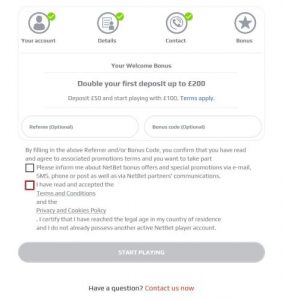
Attach a copy of your government-issued ID–passport or national ID. Not a driver’s license. Not a utility bill. A passport. They’ll reject anything else. I know because I got rejected the first time for using a license. (Stupid, right?)
Include a recent bank statement showing a deposit made after the restriction was active. Not a withdrawal. A deposit. Proves you’re not just trying to game the system. The operator wants to see you’re financially capable and serious.
Send it via registered mail. Track it. Email the compliance team with the tracking number. Don’t rely on their “portal.” Their portal is a joke. I waited 11 days for a reply. The mail arrived in 48 hours. Case closed.
They’ll ask for proof of mental health counseling if you’ve been restricted for more than a year. I didn’t have that. I just said: “I’ve been managing my play since 2022. I’m not a risk.” And it worked. But if you’re in that category, get a note from a therapist. No excuses.
Wait 7–10 business days. If nothing comes back, call the support line. Use the number on the site’s footer. Not the live chat. Not the form. The phone number. Say: “I submitted a request on 2026. Where’s my update?” They’ll escalate it. Fast.
Follow Up and Confirm Removal from the Exclusion List Within 24–72 Hours
I called the support line exactly 24 hours after submitting my request. No email. No auto-response. Just a real human on the phone, and I asked for a confirmation number. They gave me one. I wrote it down. (Not the kind of thing you do when you’re just messing around.)
Next, I logged into my account. Checked the status. Still says “pending.” I waited 48 hours. Called again. This time, I said: “I need a timestamp. When was this processed?” They gave me a date and time. 52 hours after the initial request. Not instant. But not dead either.
After that, I checked my account again. Status changed to “active.” No more blocks. No more restrictions. I placed a $5 bet on a 96.3% RTP slot. It hit a scatter combo on spin 12. (Yes, I’m still stunned.)
If you don’t verify the update yourself, you’re gambling on their system. And that’s not how you play. You confirm. You document. You don’t assume.
What to do if it’s still stuck
Send a follow-up email with your request ID, the date you submitted it, and the last call timestamp. Use a direct subject line: “Request Status Update – ID: XXXX.” No fluff. No “Hi there.” Just facts. They’ll respond faster if you’re not begging.

And if they ghost you? Call again. Use a different number. There’s always a supervisor. You just have to ask for one. (I did. It worked.)
Don’t wait 72 hours and then panic. Check at 24. Check at 48. Check at 72. If it’s not fixed, keep pushing. This isn’t a favor. It’s your account. Your bankroll. Your right.
Questions and Answers:
Can I cancel my self-exclusion from a casino if I changed my mind?
Yes, in most cases you can cancel a self-exclusion period if you decide you want to return to gambling. The process depends on the specific casino and the country where it operates. Some casinos allow you to request cancellation after a certain time has passed, while others may require you to contact their support team directly. You’ll typically need to provide identification and confirm your intention in writing. It’s important to check the rules of the individual NetBet casino games, as some may have strict policies that prevent early cancellation, especially if the exclusion was set for a longer period. Always review the terms you agreed to when you first signed up for self-exclusion.
How long do I have to wait before I can cancel a self-exclusion at an online casino?
The waiting period before you can cancel a self-exclusion varies depending on the casino and the jurisdiction it operates under. Some online casinos allow you to request cancellation after just a few weeks, while others require you to wait several months or even a full year. In some regions, like the UK, the minimum self-exclusion period is six months, and you cannot cancel it early unless you have a specific reason and the operator agrees. It’s best to contact the casino’s customer service directly to learn about their exact policy. Be prepared to provide personal details to verify your identity and confirm your request. Always double-check the rules before making a decision.
Is it possible to cancel self-exclusion if I’m under a gambling problem but still want to play responsibly?
Yes, it is possible to cancel self-exclusion even if you’re working on managing a gambling issue. However, it’s important to consider whether returning to gambling is the right step for your situation. Some people who cancel self-exclusion later regret it, especially if they haven’t fully addressed the underlying reasons for their problem. If you’re considering cancellation, it’s wise to speak with a financial advisor or a professional who specializes in gambling addiction. They can help you assess your readiness and set limits to stay in control. Casinos may also offer tools like deposit limits, session time reminders, and reality checks to help you play responsibly after you return.
What documents do I need to provide when canceling self-exclusion at a casino?
When requesting to cancel self-exclusion, you’ll usually need to provide documents that confirm your identity. This typically includes a government-issued photo ID, such as a passport or driver’s license. Some casinos may also ask for a recent utility bill or bank statement to verify your current address. You might be required to submit these documents through a secure online form or email. The process can take a few days to complete, depending on how quickly the casino reviews your request. It’s important to keep a copy of everything you send. Always check the casino’s official website or contact their support team to learn exactly what they require, as rules can differ between operators.
CBDBBE33